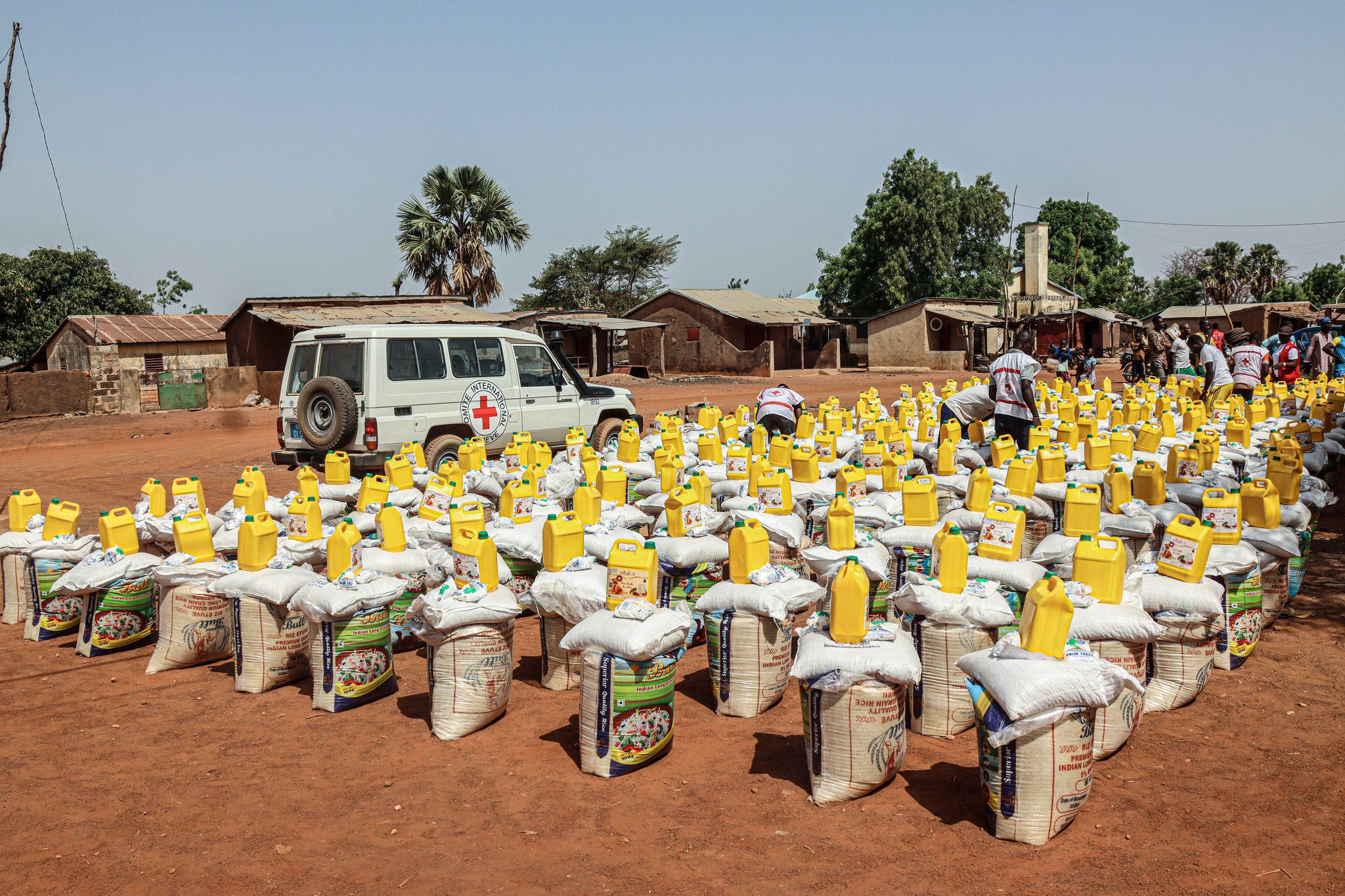
MOPAN evidence suggests that MO behaviour in responding to funding reductions is in part shaped by the incentives embedded in their governance and financing arrangements. On the one hand, governing and consultative bodies as well as donors can enable reform by providing MOs with strategic direction, political support, and flexible resources. On the other hand, unclear governance roles, overly tight scrutiny, reliance on short-term, earmarked contributions and insufficient funding to implement core mandates can put limits on strategic autonomy and encourage reactive decision-making. The Grand Bargain and the Humanitarian Reset therefore call for improved dialogue with donors and greater availability of flexible, predictable funding (IASC, 2025[13]).
The MOPAN assessment of UNHCR highlighted areas for improvement in the way the organisation engages with its Executive Committee, which was established to advise the High Commissioner and to approve the use of voluntary funding (MOPAN, UNHCR Assessment Report, 2024, p.48). External stakeholders interviewed for the assessment called for earlier consultation with the Executive Committee before major decisions are made, more proactive access to documentation, and greater discussion of evaluation and audit findings (MOPAN, UNHCR Assessment Report, 2024, p.49). The assessment also reports that ExCom members did not always make full use of existing scrutiny mechanisms and sometimes advanced duplicative requests (MOPAN, UNHCR Assessment Report, 2024, p.49).
WFP’s governance was assessed as broadly effective and transparent, but its Executive Board was perceived as insufficiently strategic in its approach (MOPAN, WFP Assessment Report, 2024, p.46). A 2023 Governance Review identified weaknesses in Board procedures, documentation, briefing timelines and support for member states (MOPAN, WFP Assessment Report, 2024, p.46, 54). The MOPAN assessment also highlights the need for frank dialogue between WFP, donors and the Board on acceptable levels of risk, particularly regarding aid diversion (MOPAN, WFP Assessment Report, 2024, p.42).
Financing incentives are also key in shaping MO behaviour. While funding earmarked for specific projects or crises enables IOM to respond rapidly to evolving needs, 97% of its resources were tied to specific activities or locations, orienting the MO towards short-term project delivery while limiting investment in core functions, contingency financing and organisation-wide strategic priorities (MOPAN, IOM Assessment Report, 2023, p.8,15). Despite a planned increase in assessed contributions through its new financial framework, the MOPAN assessment reported that this would only marginally reduce the share of earmarked resources out of IOM’s total budget, leaving the underlying incentives of its operating model unaltered (MOPAN, IOM Assessment Report, 2023, p.8).
Similar constraints, although less pronounced, also affected UNDP and FAO (MOPAN, UNDP Technical Annex, 2026, p.19; FAO Assessment Report, 2024, p.48). Declining core funding and a marked donor preference for earmarked contributions restrict management flexibility, can draw country offices towards available funding rather than areas of organisational comparative advantage, and make it harder to finance core functions (MOPAN, UNDP Technical Annex, 2026, p.37; MOPAN, FAO Assessment Report, 2024, p. 36). In FAO’s case, earmarked contributions grew while the regular budget remained effectively flat for 12 years, putting pressure on country-office capacity and limiting the MO’s room for manoeuvre in pursuing corporate strategic objectives (MOPAN, FAO Assessment Report, 2024, p.32). While earmarked and short-term project funding allows a MO to increase its budget and support rapid responses by avoiding the need for internal resource reallocation, shrinking core resources limit its discretion in setting priorities and pursuing core strategic objectives (Dag Hammarskjold Foundation, 2025[15]).