UNCDF has entered the 2026-29 strategic period with a clear direction aligned closely with its comparative advantage. UNCDF has repositioned itself within a crowded development finance architecture to occupy a distinctive niche focused on catalytic concessional finance, early-stage market development, risk absorption, and preparing markets for follow-on public and private investment. This sharper institutional focus addresses concerns raised during earlier periods regarding the breadth of UNCDF’s thematic activities. Hence, the five thematic areas included
under the Strategic Framework 2022–25 have been consolidated into a focus around three core capabilities – MSME finance, subnational finance, and digital finance – supported by women’s economic empowerment as a cross-cutting priority. It is particularly relevant in LDCs, SIDS and fragile contexts where needs for smaller-scale and early-stage financing are often not addressed by larger global and regional development finance actors. While UNCDF reforms
commenced earlier, they are broadly aligned with broader UN system reforms – under the UN80 initiative – focusing on institutional differentiation, financing constraints, and the need to rebalance organisational models toward clearer comparative advantage and more sustainable mandate delivery.
UNCDF is accelerating the process of developing its partnerships to capitalise on its comparative advantage and scale-up its impact. Its evolving role creates opportunities to combine UNCDF’s financing capabilities with the policy, technical and operational strengths of UN partners, while also creating pathways for Multilateral Development Banks (MDBs) and Development Finance Institutions (DFIs) to engage in markets they may otherwise not reach.
Within the UN system, it has increased its outreach to other UN entities to identify how its financial instruments can complement their technical, normative and sectoral expertise. Outreach is also ongoing to expand partnerships with MDB and DFIs, with closer co-ordination to explore the potential to scale successful UNCDF investments, develop de-risking facilities and co-investment opportunities. and build shared pipelines. While recent progress made by UNCDF to develop an integrated offer with UNDP represents an important template that could be replicated with other multilateral partners, successful operationalisation will require UNCDF and UNDP to continue addressing technical and capacity constraints, including at the country level, which have been a barrier to date. Consideration
should also be given to the institutional incentives for these partnerships to mobilise partner capital into last-mile markets for follow-on financing, to support scaling up successful UNCDF supported interventions.
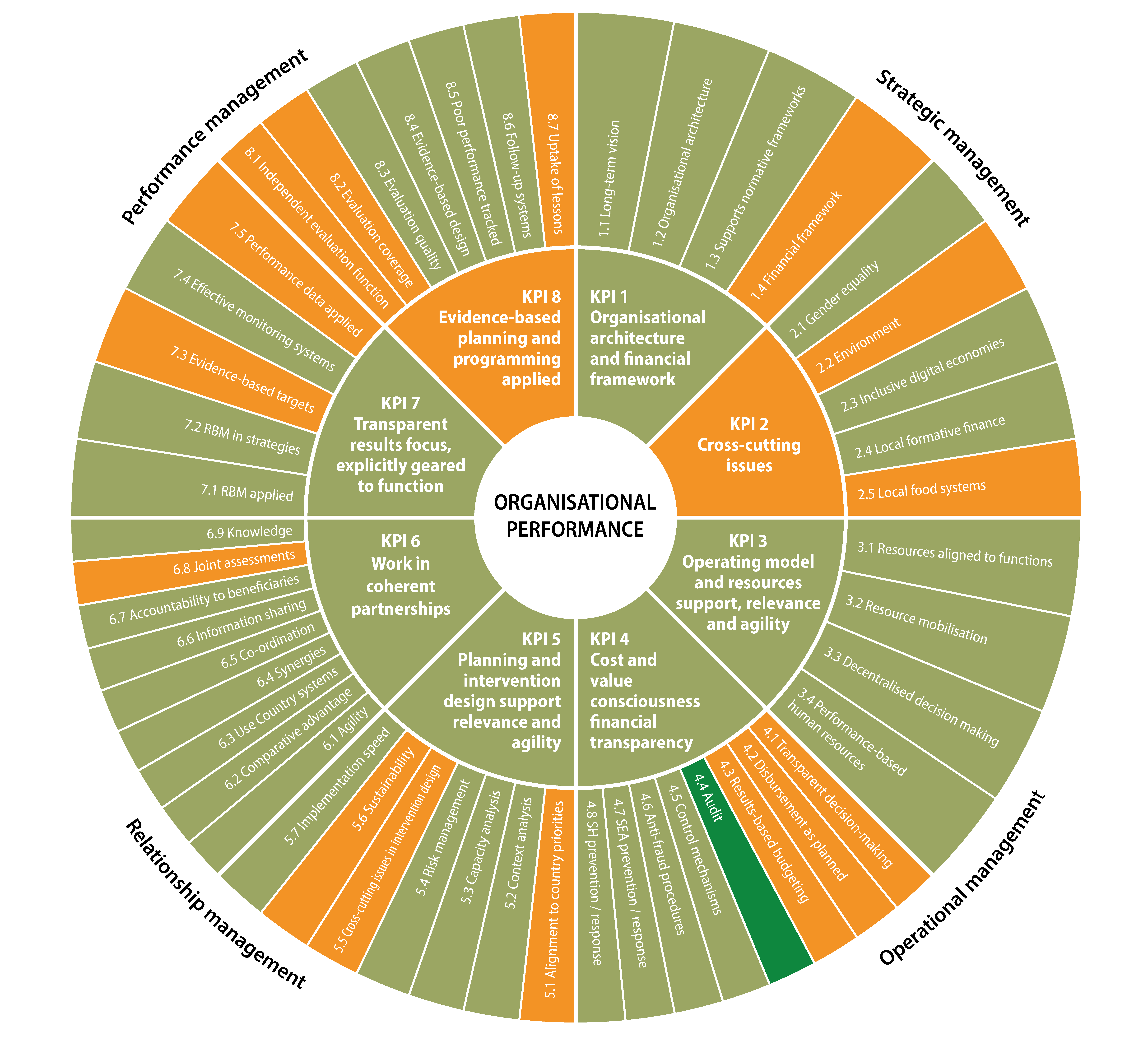
Reforms introduced have helped ensure that UNCDF’s organisational structure, policies and systems support delivery of its new strategic repositioning. UNCDF has pursued an extensive and appropriate reform agenda. A central achievement has been the introduction of a front-middle-back office architecture to clarify responsibilities for investment origination, portfolio oversight, risk management and operational controls. Furthermore, functions previously dispersed across programme structures have been consolidated and a growing share of investment and programme functions has been decentralised to regional hubs. Reforms introduced also address weaknesses identified by previous audits and evaluations. For example, UNCDF introduced a revised Enterprise Risk Management framework, a formal Risk Appetite Statement, and Supplementary Guidelines to the UNDP’s Programme and Operations Policies and Procedures.
With many key elements of UNCDF’s corporate structure and operating model in place, it now needs to focus on operational delivery. While the Strategic Framework 2026–29 provides greater clarity regarding UNCDF’s institutional focus, further operational prioritisation is still required regarding how its financing offer will translate into country- and regional-level deployment choices. This will require greater operational selectivity regarding where UNCDF deploys its limited resources and how investment pipelines are prioritised and developed. However, UNCDF lacks tools or mechanisms to translate its corporate strategic priorities into regional and country-level operational planning and implementation. As a result, programming often remained influenced by funding opportunities and donor preferences, limiting UNCDF’s ability to consistently prioritise markets and interventions where its catalytic
role and comparative advantage were strongest.
The refocusing of UNCDF’s operations demands significant new funding and introduces new risks and financing challenges which will require careful planning, monitoring and mitigation. UNCDF’s funding model, which is reliant on voluntary contributions with a high degree of earmarking, continues to constrain operational flexibility and strategic deployment, with limited core resources relative to the breadth of its mandate and institutional reform agenda. Hence, UNCDF will need to raise significant new funds to support both the larger portfolio of loans, guarantees and blended finance operations as well as the costs of developing and supervising this significantly larger portfolio. Compared to grant-based technical assistance, loans, guarantees, and blended finance operations involve longer preparation, supervision, and risk management horizons. As UNCDF expands the use of these instruments, the organisation increasingly faces the challenge of ensuring that staffing models, operational systems, and oversight arrangements remain aligned with the demands of a more investment-oriented portfolio. Administrative costs will be incurred well before significant fee income, interest revenue, or investment reflows materialise and will require funding.
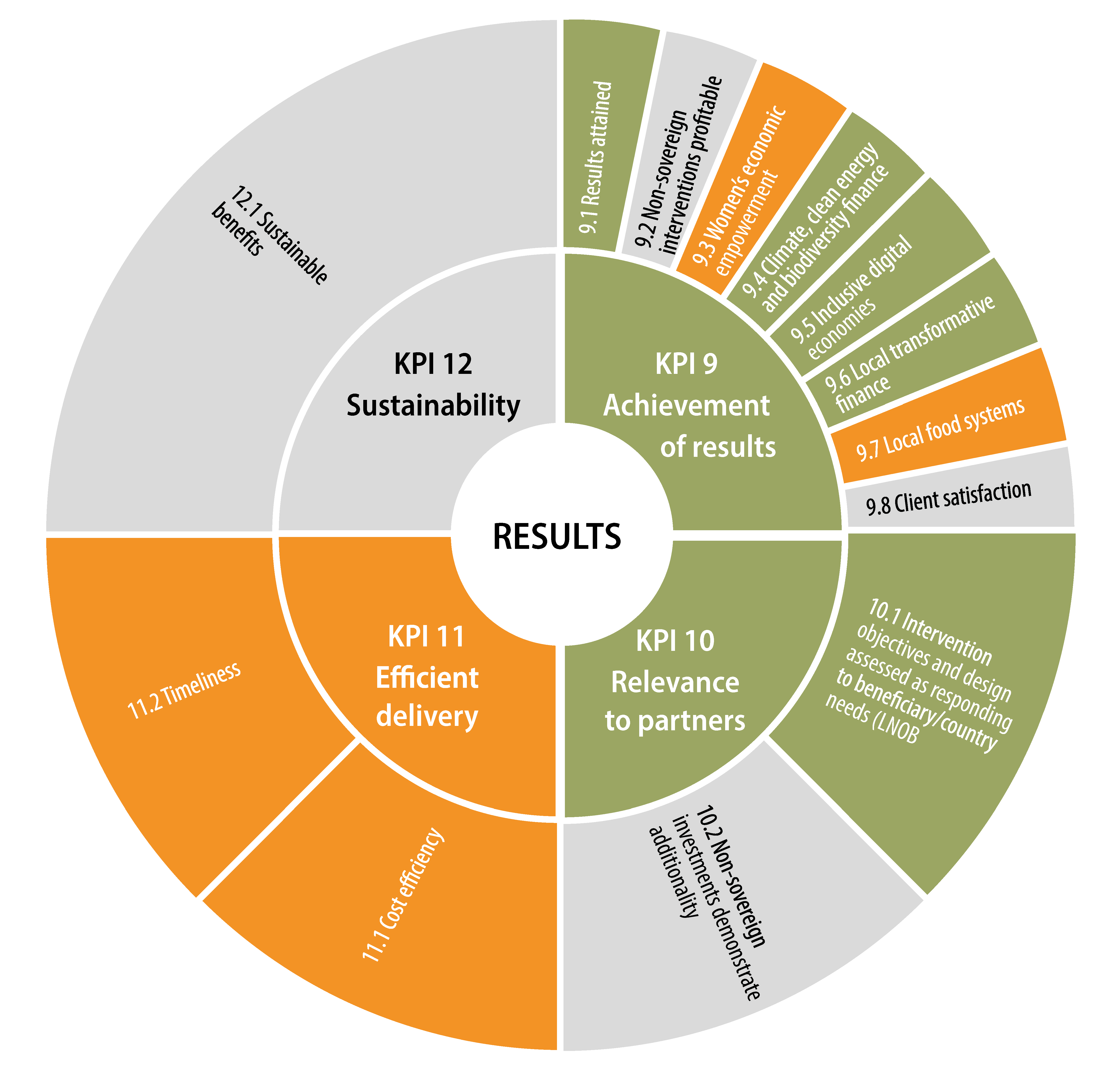
UNCDF interventions have contributed to enabling conditions, but evidence of longer-term impact and sustainability remains limited. UNCDF’s results information presents an incomplete picture of UNCDF’s performance. On the one hand, monitoring data and evaluation findings confirm UNCDF’s contributions to government systems, institutional capacity and market systems. On the other, evaluation coverage currently provides limited evidence regarding sustainability and follow-on investment, additionality and longer-term impact, particularly for financial instruments and market development interventions whose results materialise over extended periods. The assessment also found that the evaluation function was not structurally or operationally independent from management
arrangements during the review period. UNCDF has begun to strengthen results measurement and accountability systems but the resulting improvements in data quality, verification processes and outcome-level reporting would need to be assessed when these changes are fully implemented.