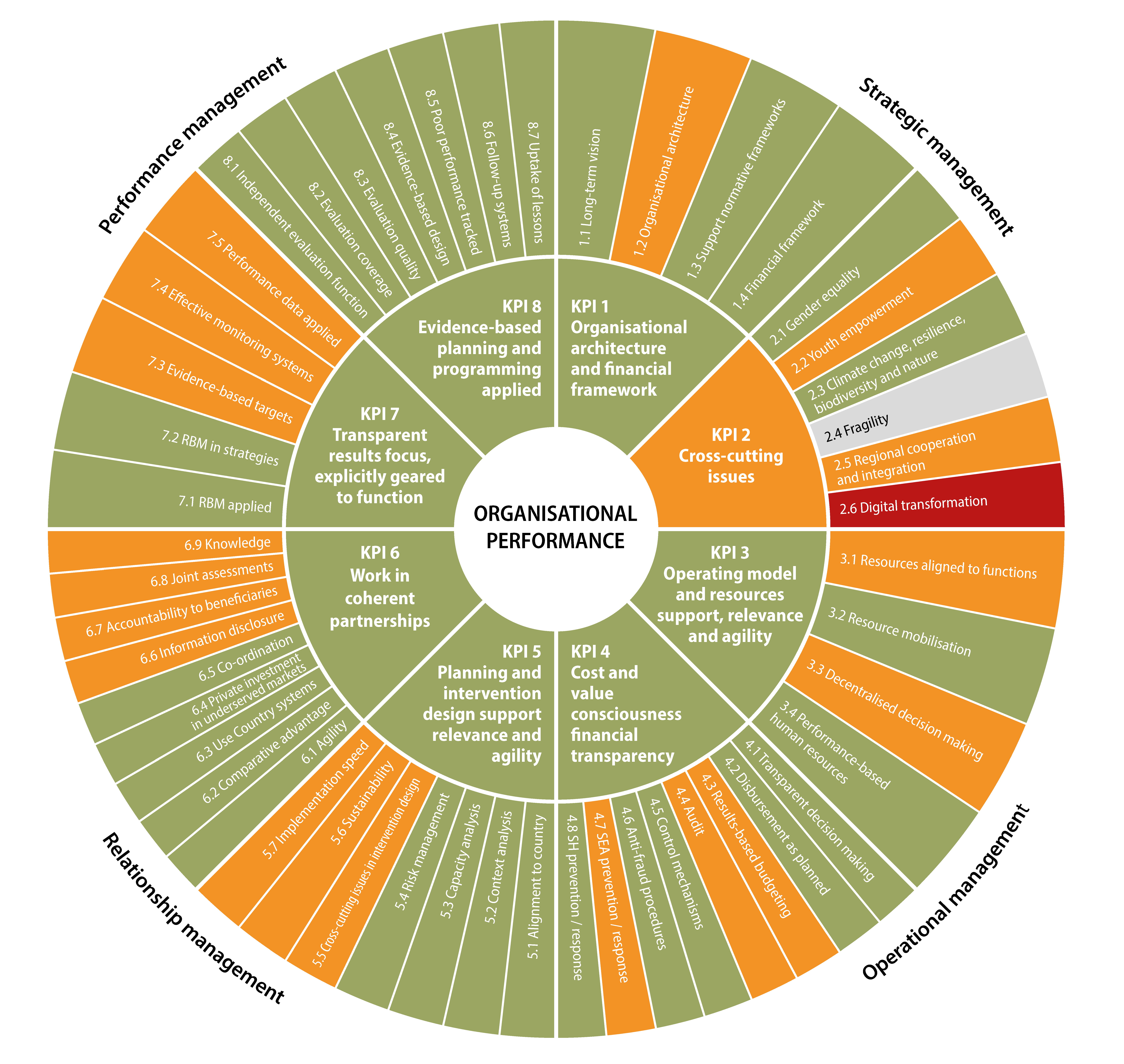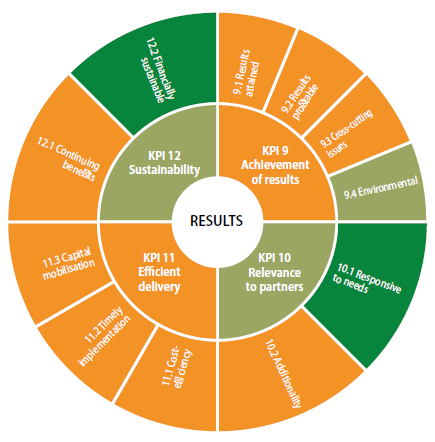
MOPAN released its most recent assessment of the Caribbean Development Bank (CDB) in 2026.
The Caribbean Development Bank (CDB) is the Caribbean’s only indigenous development bank. It has a distinctive mandate to promote economic growth, poverty reduction, sustainable development, and regional cooperation and integration, with particular attention to the region’s less developed members. Established in 1970, CDB now comprises 28 members, including 19 Borrowing Member Countries (BMCs) and 9 non-borrowing members. CDB supports its BMCs through a country-driven approach, providing loans, policy-based lending, emergency finance, grants, technical assistance, blended finance and, increasingly, guarantees. Its portfolio is concentrated in transport, education, water and sanitation, energy, agriculture, social protection and public sector reform. CDB is headquartered in Barbados, with a country office in Haiti.
Each of CDB’s BMCs are Small Island Developing States (SIDS), resulting in a challenging operating context. This context is characterised by small populations, limited economies of scale, narrow production bases, high infrastructure costs, small financial sectors and exposure to frequent natural hazards. CDB is distinctive in its ability to channel concessional and blended resources to all BMCs, including middle- and high-income countries, based on multidimensional vulnerability. This aligns closely with the Bridgetown Initiative’s call for more affordable, flexible and shock-responsive development finance. Institutionally, CDB remains small and lean compared with other International Financial Institutions (IFIs) with a staff complement of 268 staff as of December 2025. However, its footprint in the Caribbean is larger than that of other IFIs working in the region.